Med-surg nursing might be the most overwhelming course in the whole nursing program. There’s just so much of it. Every body system, dozens of conditions, and on top of memorizing facts, you’re expected to actually think like a nurse and make judgment calls. It’s not enough to know what a disease is. You have to know what to do about it, and fast.
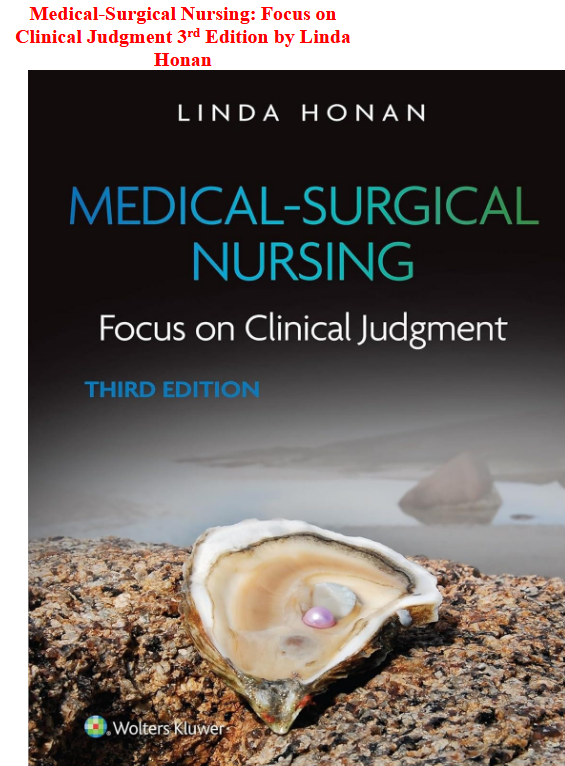
This test bank is built to help with that exact challenge. It follows the 3rd edition of Medical-Surgical Nursing: Focus on Clinical Judgment by Linda Honan, chapter by chapter. Whatever body system or condition you’re covering in class, there’s a matching set of practice questions ready for you.
This resource isn’t meant to replace the textbook’s clinical judgment models and case studies. It’s meant to give you a fast way to check if the reasoning actually stuck. Reading about prioritization is one thing. Choosing the right first action under exam pressure is a completely different skill, and that’s exactly what repeated practice builds.
What Is a Test Bank?
A test bank is a large collection of practice questions tied to a specific textbook. Instructors often draw from resources like this when writing their own exams. That means studying with this test bank trains you on the same style, format, and difficulty level your real exam is likely to use.
This resource covers the full scope of the 3rd edition, including cardiovascular, respiratory, renal, gastrointestinal, endocrine, neurological, and musculoskeletal conditions, along with perioperative care and the clinical judgment model the textbook is built around.
Why Nursing Students Use Test Banks for Med-Surg
Med-surg exams don’t just ask what a condition is. They ask what you’d do first, what you’d watch for, and what’s most urgent. A test bank helps train that kind of thinking. Here’s how.
You get better at prioritization questions. Med-surg loves asking “which client should the nurse see first” or “what’s the priority action.” Practicing with similar questions trains your brain to apply ABC and Maslow-based reasoning quickly instead of freezing up.
You find your weak spots before the exam does. Maybe cardiac conditions feel solid, but renal and electrolyte content still feels shaky. Practice questions point you straight to what needs more review.
You build real exam confidence. The more familiar the question format feels, the calmer you’ll be when the real test starts. That matters a lot in a course this dense.
You study more efficiently. Instead of rereading entire chapters hoping the right details stick, the material is already organized and ready for focused review.
What’s Inside This Test Bank
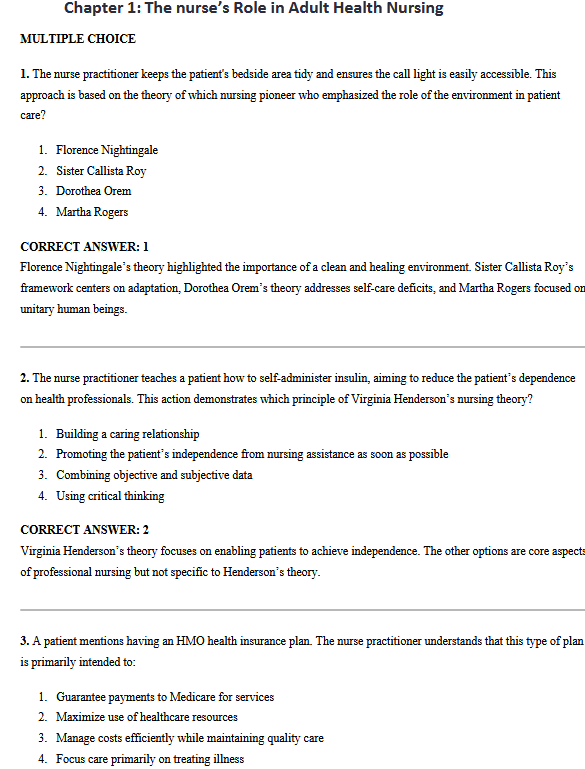
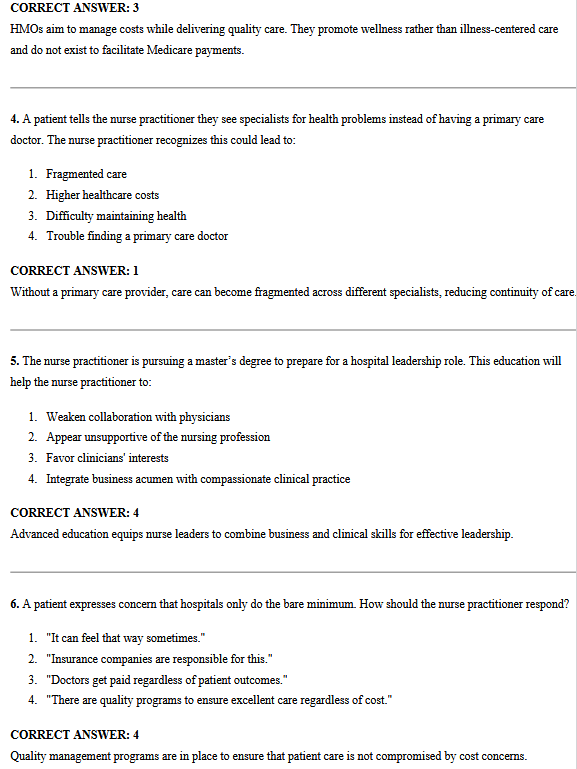
This resource includes multiple-choice questions organized by chapter, each with a correct answer and a rationale explaining why. The rationale is where the real learning happens. Med-surg exams are full of answer choices that all sound reasonable at first glance. Understanding why one action takes priority over another is what actually prepares you for real clinical decision-making, not just for passing a test.
Topics covered include:
- Cardiovascular disorders and hemodynamic monitoring
- Respiratory disorders and oxygenation
- Renal and electrolyte imbalances
- Gastrointestinal disorders
- Endocrine disorders, including diabetes management
- Neurological disorders
- Musculoskeletal disorders
- Perioperative nursing care
- Immune and inflammatory conditions
- Clinical judgment and prioritization across body systems
Sample Questions
Here are five sample questions similar to what’s inside the full test bank. Try answering them before checking the rationale.
Question 1
A nurse is caring for four clients. Which client should the nurse assess first?
A. A client with a blood glucose of 180 mg/dL
B. A client reporting new onset shortness of breath and chest tightness
C. A client requesting pain medication for a healing surgical incision
D. A client asking questions about discharge instructions
Correct Answer: B. A client reporting new onset shortness of breath and chest tightness
Rationale: New onset shortness of breath and chest tightness could indicate a cardiac or respiratory emergency, making this client the priority based on airway and breathing concerns. A blood glucose of 180 mg/dL is elevated but not immediately life-threatening. Pain management and discharge questions are important but not urgent compared to a potential acute event.
Question 2
A client with heart failure has gained 3 pounds in the last 2 days and reports increased shortness of breath when lying flat. Which action should the nurse take first?
A. Encourage the client to increase fluid intake
B. Notify the healthcare provider
C. Document the finding and reassess in 24 hours
D. Reassure the client that this is a normal fluctuation
Correct Answer: B. Notify the healthcare provider
Rationale: Rapid weight gain and worsening orthopnea in a heart failure client suggest fluid overload, which requires prompt provider notification for possible intervention. Increasing fluid intake would worsen the fluid overload. Waiting 24 hours to reassess delays needed treatment. Dismissing the finding as normal ignores a genuine warning sign of decompensating heart failure.
Question 3
A client is recovering from abdominal surgery and reports sudden, sharp pain along with a visible gaping wound and protruding tissue at the incision site. Which action should the nurse take first?
A. Apply a dry sterile dressing and notify the surgeon
B. Push the protruding tissue back into the wound
C. Cover the area with a sterile saline-soaked dressing and notify the surgeon
D. Apply firm pressure directly to the protruding tissue
Correct Answer: C. Cover the area with a sterile saline-soaked dressing and notify the surgeon
Rationale: This presentation describes wound evisceration, and the correct first action is to cover the exposed tissue with a sterile saline-soaked dressing to keep it moist, then notify the surgeon immediately. Pushing tissue back into the wound risks infection and further injury. A dry dressing can cause the tissue to stick and dry out. Applying firm pressure could cause additional tissue damage rather than protecting it.
Question 4
A client with chronic kidney disease has a potassium level of 6.8 mEq/L. Which finding should the nurse monitor most closely?
A. Blood pressure trends
B. Cardiac rhythm changes
C. Urine output over the next hour
D. Respiratory rate
Correct Answer: B. Cardiac rhythm changes
Rationale: Severe hyperkalemia can cause life-threatening cardiac arrhythmias, making cardiac rhythm monitoring the priority in this situation. Blood pressure and respiratory rate are relevant vital signs but are not the primary immediate concern with this specific electrolyte imbalance. Urine output is important in kidney disease overall but doesn’t reflect the acute cardiac risk posed by this potassium level.
Question 5
A client is diagnosed with diabetic ketoacidosis. Which finding would the nurse expect to see?
A. Blood glucose below 70 mg/dL
B. Fruity breath odor and rapid, deep respirations
C. Elevated blood pressure and bradycardia
D. Excessive weight gain over the past week
Correct Answer: B. Fruity breath odor and rapid, deep respirations
Rationale: Diabetic ketoacidosis causes ketone buildup, which produces a fruity breath odor, along with Kussmaul respirations as the body attempts to compensate for metabolic acidosis. Blood glucose in DKA is typically elevated, not low. Blood pressure often drops due to dehydration, and heart rate typically increases rather than slows. DKA is associated with weight loss and dehydration, not weight gain.
Who This Test Bank Is For
This resource fits nursing students currently taking a medical-surgical nursing course, especially one built around clinical judgment and prioritization skills. It also supports NCLEX preparation, since med-surg content and clinical judgment questions make up a large portion of the exam. Instructors may find it useful too, as a reference for building quizzes or exam material.
How to Study With This Test Bank
Don’t just read through the questions passively. Quiz yourself for real. Cover the answer choices, pick one, then check the rationale closely. Med-surg questions often have several answers that sound reasonable, so slowing down to understand why one action takes priority is exactly the skill your real exam will test.
Working through one body system at a time tends to work better than trying to cover everything in one sitting. Spacing your review out over several days helps this much material actually stay organized in your memory instead of blurring together.
Instant Digital Access
This test bank is delivered as a digital file, so there’s no shipping wait. Once your order is complete, you can download it and start studying right away. It’s designed to work alongside your textbook and class notes, not replace either one.
Frequently Asked Questions
Is this the same as the textbook itself?
No. This is a test bank, meaning a collection of practice questions. It’s meant to be used together with the textbook, not instead of it.
Does every question include a rationale?
Yes. Each question comes with the correct answer along with a clear explanation of why that answer is correct.
Will this help me prepare for the NCLEX?
It can. Medical-surgical content and clinical judgment skills make up a significant portion of the NCLEX, so this practice builds directly relevant skills.
Is this test bank matched to the 3rd edition specifically?
Yes. The questions are organized to align with the chapters and content found in the 3rd edition of Medical-Surgical Nursing: Focus on Clinical Judgment by Linda Honan.
How do I receive the file after purchasing?
You’ll get instant digital access right after checkout, so you can start studying immediately.
Can instructors use this resource too?
Yes. Instructors often use test banks as a reference when building quizzes, exams, or review sessions.
Is using a test bank considered cheating?
No, as long as it’s used for studying and practice rather than during an actual exam. Reviewing practice questions to strengthen understanding is a common and accepted study method among nursing students.


Morgan N. –
Perfect for exam preps
Sharon P –
I like the clear and concise rationales
Rosemary R –
A solid study guide