
Product Description
Pathophysiology is where disease makes sense. Or doesn’t. Depending on how well you understand what’s actually happening inside the body when things go wrong.
You can’t just memorize symptoms. You need to understand why they occur. What cellular changes trigger them. How one malfunctioning system cascades into multisystem failure. Why treatments work or sometimes don’t work at all.
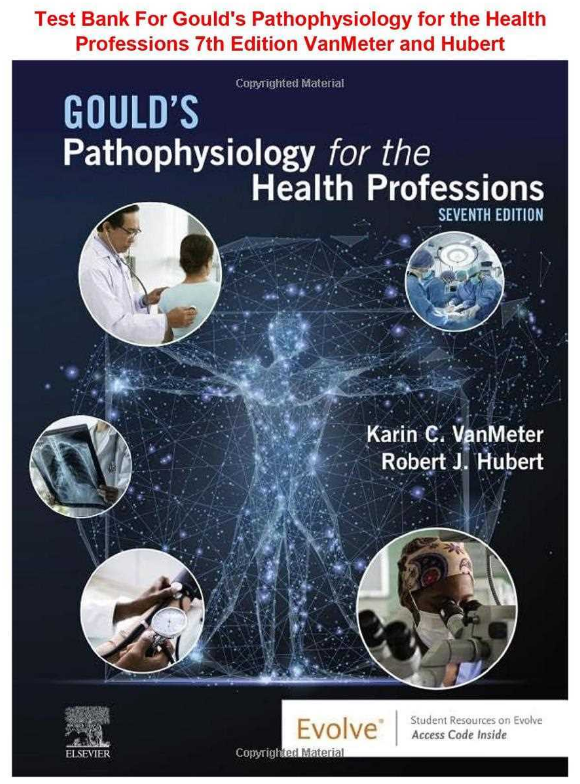
The Test Bank for Gould’s Pathophysiology for the Health Professions, 7th Edition by VanMeter and Hubert gives you the practice needed to truly grasp disease processes. Not surface-level memorization. Deep understanding of how and why diseases develop, progress, and respond to treatment.
What This Test Bank Contains
Thousands of questions cover every major disease process across all body systems. From cellular injury to cancer. From inflammation to autoimmune disorders. From cardiovascular disease to neurological conditions. Complete pathophysiology coverage matching your entire course.
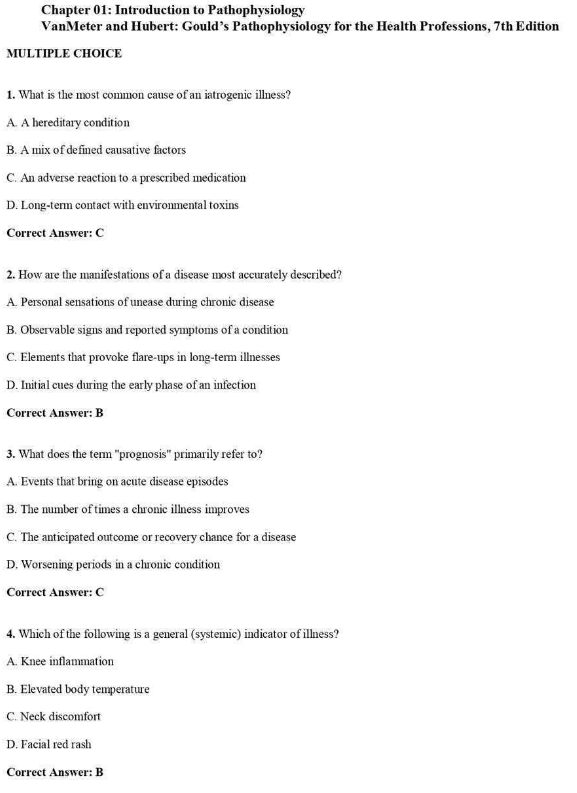
Question formats test different levels of understanding. Multiple choice questions assess comprehension of disease mechanisms. True/false items check detailed knowledge. Matching exercises reinforce terminology and classifications. Select-all-that-apply questions require identifying multiple correct pathophysiological processes. Case study questions present patient scenarios requiring application of pathophysiology knowledge.
Each question includes the correct answer with comprehensive rationales. These explanations don’t just tell you what’s right. They explain the underlying pathophysiology. Why does this cellular change cause these symptoms? How does this compensatory mechanism eventually fail? What breaks the normal physiological process?
The rationales connect normal physiology to pathological changes. You learn to trace disease progression from initial insult through cellular changes to clinical manifestations. This cause-and-effect understanding is what separates students who truly grasp pathophysiology from those who just memorize facts.
Why Pathophysiology Challenges Health Profession Students
Pathophysiology feels overwhelming because it integrates everything you’ve learned before. Anatomy. Physiology. Chemistry. Microbiology. All of it comes together to explain disease. If your foundation is shaky in any area, pathophysiology exposes those gaps immediately.
The cellular and molecular level detail is intense. You’re learning about receptor dysfunction. Enzyme deficiencies. Genetic mutations. Mitochondrial damage. Membrane transport failures. These microscopic changes somehow produce the symptoms patients experience. Making that connection requires deep thinking.
Disease processes don’t follow neat, isolated patterns. Diabetes affects the cardiovascular system, kidneys, eyes, nerves, and immune function. Heart failure impacts lungs, kidneys, liver, and brain. You can’t understand one system without understanding how it interacts with others.
The terminology is dense and specific. Hyperplasia versus hypertrophy versus metaplasia. Necrosis versus apoptosis. Exudate versus transudate. Each term has precise meaning. Using them incorrectly demonstrates you don’t actually understand the pathology.
Pathophysiology requires connecting dots between molecular changes and clinical presentations. Sickle cell disease starts with a single amino acid substitution. That microscopic change leads to abnormal hemoglobin, distorted red blood cells, vascular occlusion, tissue ischemia, pain crises, organ damage, and shortened lifespan. Following that pathway requires understanding each step.
Most students try memorizing disease characteristics without understanding mechanisms. They know diabetes involves high blood sugar but don’t grasp why. They recognize heart failure symptoms but can’t explain the compensatory mechanisms that eventually worsen the condition. This superficial knowledge fails on exams and in clinical practice.
How This Test Bank Builds Pathophysiology Mastery
Understanding pathophysiology requires active engagement with disease processes. This test bank forces you to think through mechanisms, not just recall facts.
You’ll trace disease progression from etiology through pathogenesis to clinical manifestations. What initiates this disease? What cellular changes occur? How do these changes produce symptoms? What complications develop? Each question builds your ability to follow the pathophysiological pathway.
Questions requiring you to differentiate similar conditions sharpen critical thinking. What distinguishes emphysema from chronic bronchitis? Both are COPD, but the pathophysiology differs. How does Crohn’s disease differ from ulcerative colitis? The location and tissue layers affected vary significantly.
Compensatory mechanism questions appear throughout. The body attempts to correct imbalances. Sometimes compensation helps. Often it eventually worsens the problem. Understanding these feedback loops is essential. How does the renin-angiotensin-aldosterone system worsen heart failure despite initially maintaining blood pressure?
Treatment rationale questions connect pathophysiology to interventions. Why do ACE inhibitors help heart failure? Because they interrupt the RAAS cycle that’s making things worse. Why give bronchodilators for asthma? Because bronchoconstriction is the primary pathophysiological problem.
Comprehensive Disease Process Coverage
Foundational pathophysiology concepts establish the framework. Cellular adaptation including atrophy, hypertrophy, hyperplasia, metaplasia, and dysplasia. Cell injury and death mechanisms. Necrosis types and apoptosis. Free radical damage. Inflammation stages and chemical mediators. Healing and repair processes. Tissue regeneration versus scar formation.
Fluid, electrolyte, and acid-base imbalances receive thorough attention. Dehydration types and manifestations. Edema mechanisms including increased hydrostatic pressure, decreased oncotic pressure, lymphatic obstruction. Sodium, potassium, calcium, and magnesium imbalances. Metabolic and respiratory acidosis and alkalosis. Compensation mechanisms.
Immunity and abnormal immune responses span protective to pathological. Innate versus adaptive immunity. Antigen-antibody reactions. Types of immunity. Hypersensitivity reactions from Type I through Type IV. Autoimmune disease mechanisms. Immunodeficiency disorders including HIV/AIDS pathophysiology.
Infection and disease processes address microbial pathogenesis. Bacterial, viral, fungal, and parasitic infections. How pathogens cause damage. Opportunistic infections. Antimicrobial resistance mechanisms. Nosocomial infections.
Neoplasms require understanding cancer development. Characteristics of benign versus malignant tumors. Carcinogenesis including initiation, promotion, and progression. Oncogenes and tumor suppressor genes. Metastasis mechanisms. Grading and staging. Effects of cancer on the body including cachexia and paraneoplastic syndromes.
Cardiovascular pathophysiology includes acute and chronic conditions. Atherosclerosis development and progression. Coronary artery disease and myocardial infarction pathophysiology. Heart failure with reduced versus preserved ejection fraction. Valvular disorders and their hemodynamic effects. Hypertension mechanisms. Shock types and compensatory responses. Dysrhythmias and conduction abnormalities.
Respiratory pathophysiology addresses ventilation and gas exchange disorders. Obstructive diseases including asthma, COPD, bronchiectasis, and cystic fibrosis. Restrictive lung diseases. Pneumonia and tuberculosis. Pulmonary embolism pathophysiology. Acute respiratory distress syndrome. Respiratory failure mechanisms.
Gastrointestinal pathophysiology spans the entire digestive tract. Inflammatory disorders including gastritis, peptic ulcers, inflammatory bowel disease. Malabsorption syndromes. Intestinal obstruction. Liver disease including hepatitis, cirrhosis, and liver failure. Pancreatitis. Gallbladder disease.
Urinary system pathophysiology includes kidney and bladder. Glomerulonephritis mechanisms. Nephrotic syndrome. Acute kidney injury and chronic kidney disease progression. Urinary tract infections. Kidney stones formation. Bladder dysfunction.
Endocrine pathophysiology emphasizes hormone imbalances. Diabetes mellitus Type 1 and Type 2 pathophysiology. Diabetic complications including neuropathy, retinopathy, nephropathy. Thyroid disorders including hyperthyroidism and hypothyroidism. Adrenal disorders. Pituitary dysfunction. Metabolic syndrome.
Neurological pathophysiology addresses brain and spinal cord. Stroke including ischemic and hemorrhagic mechanisms. Traumatic brain injury and secondary injury processes. Increased intracranial pressure pathophysiology. Seizure disorders. Degenerative diseases including Parkinson’s, Alzheimer’s, multiple sclerosis, and ALS. Infections including meningitis and encephalitis.
Musculoskeletal pathophysiology includes bones, joints, and muscles. Osteoporosis mechanisms. Osteoarthritis versus rheumatoid arthritis pathophysiology. Fracture healing. Osteomyelitis. Muscular dystrophy. Myasthenia gravis.
Integumentary pathophysiology addresses skin conditions. Wound healing phases and complications. Burns classification and pathophysiological responses. Skin infections. Inflammatory conditions including psoriasis and eczema. Skin cancers.
Hematologic pathophysiology includes blood disorders. Anemia types and mechanisms. Polycythemia. Leukemia and lymphoma. Clotting disorders including hemophilia and thrombocytopenia. Disseminated intravascular coagulation.
Reproductive system pathophysiology addresses male and female disorders. Sexually transmitted infections. Benign prostatic hyperplasia. Endometriosis. Polycystic ovary syndrome. Breast and reproductive cancers.
Special Populations Considerations
Pediatric pathophysiology addresses conditions unique to children. Congenital disorders. Developmental abnormalities. Childhood diseases. How diseases manifest differently in growing bodies.
Geriatric pathophysiology emphasizes aging changes. Normal aging versus disease processes. Why elderly patients present atypically. Multiple comorbidities affecting disease progression. Polypharmacy complications.
Genetic and Molecular Basis of Disease
Genetic disorders receive increasing emphasis. Chromosomal abnormalities. Single-gene disorders including autosomal dominant, autosomal recessive, and X-linked patterns. Multifactorial disorders. Genetic testing implications. Gene therapy possibilities.
Molecular mechanisms of disease appear throughout. Receptor mutations. Enzyme deficiencies. Transport protein dysfunction. Cell signaling pathway disruptions. Understanding disease at this level explains why certain treatments work.
Diagnostic Testing Connections
Questions frequently connect pathophysiology to diagnostic findings. Why does this lab value change with this disease? What does this imaging finding indicate about tissue damage? How do you interpret these test results within the disease context?
Understanding what tests measure and why helps you grasp the pathophysiology. Elevated troponin indicates myocardial damage. Decreased GFR indicates kidney dysfunction. Abnormal ABGs reveal acid-base imbalances. The pathophysiology explains the test abnormalities.
Treatment Rationale Integration
Every treatment makes sense when you understand the pathophysiology. Questions address why specific interventions work. Beta blockers for heart failure reduce cardiac workload and oxygen demand. Bronchodilators for asthma reverse bronchoconstriction. Insulin for diabetes replaces the missing hormone or overcomes resistance.
Understanding treatment mechanisms prevents medication errors and helps you recognize when treatments aren’t working or are causing complications.
Connecting Pathophysiology to Clinical Practice
Health profession students need pathophysiology for more than exams. Nurses, respiratory therapists, physical therapists, occupational therapists, physician assistants—all use pathophysiology daily.
Nurses assess patients and recognize when findings indicate disease progression. Respiratory therapists understand why certain breathing treatments help specific conditions. Physical therapists know which exercises are safe based on cardiac or pulmonary pathophysiology. Every healthcare role requires understanding what’s happening inside the patient’s body.
This test bank reinforces those clinical connections. Questions present realistic patient scenarios. You apply pathophysiology knowledge to recognize problems, understand symptoms, and determine appropriate responses.
Study Strategies for Pathophysiology Success
Pathophysiology demands different study approaches than memorization-based courses. Concept mapping helps visualize disease progression. Draw flowcharts showing how one change leads to the next. Connect cellular changes to tissue damage to organ dysfunction to clinical symptoms.
Don’t just read about diseases. Actively explain them out loud. Teach concepts to study partners. If you can explain why diabetic nephropathy develops, you understand it. If you can only repeat that it happens, you don’t.
Use this test bank to identify gaps in understanding. When you miss a question, don’t just memorize the right answer. Go back to the textbook. Understand the underlying mechanism. Then try similar questions to ensure you’ve actually grasped the concept.
Focus on understanding mechanisms over memorizing facts. Facts without mechanisms are useless. But once you understand mechanisms, facts make sense and stick in memory naturally.
Multiple Study Applications
Use this test bank flexibly based on your learning needs. Chapter-by-chapter practice as you cover material. Comprehensive review before major exams. Focused drilling on body systems you find challenging.
Create custom quizzes by disease category. Struggling with cardiovascular pathophysiology? Concentrate there. Confused about immune disorders? Focus those questions. Weak on neurological conditions? Drill those scenarios.
Time yourself to build speed. Pathophysiology exams often include lengthy scenarios requiring careful analysis. Practice reading efficiently while catching critical details.
Building Healthcare Professional Competence
Pathophysiology isn’t just another course to pass. It’s the foundation of clinical reasoning for every health profession. You can’t provide appropriate care without understanding what’s happening inside the patient.
This test bank builds the deep understanding healthcare professionals need. Not surface knowledge but genuine comprehension of disease mechanisms. The kind of understanding that makes you effective in clinical practice.
Your Pathophysiology Success Tool
Gould’s Pathophysiology is known for clear explanations that make complex disease processes understandable. This test bank extends that learning with extensive practice applying those concepts.
You’re not just preparing for exams. You’re building the pathophysiology knowledge base your entire career depends on. Every patient you encounter has some pathological process. Understanding it makes you a better healthcare provider.
Your future patients need healthcare professionals who truly understand disease. You need study tools that build genuine comprehension. This test bank delivers both.
Study with purpose. Think mechanistically. Master pathophysiology for health professions.


Caleb Martins –
Excellent!
Lucille Maria –
Much better than I expected